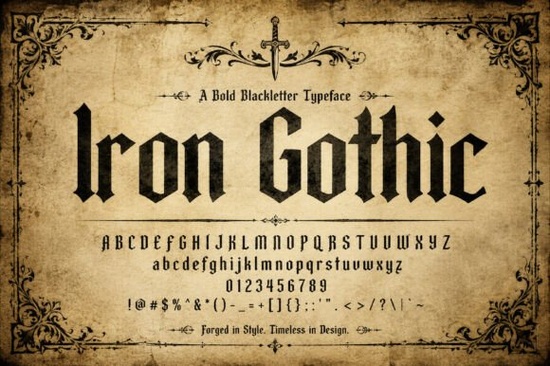
If you're looking for a blackletter font that feels both historic and carefully crafted something with presence but not excess ornamentation you’ll likely find Iron Gothic Font fits right in. It’s not just another Old English revival; it’s a thoughtfully balanced blackletter typeface built for real-world use: spirit labels, craft brewery signage, book covers with historical themes, or even wedding stationery where tradition meets quiet confidence. Its sharp terminals and consistent vertical rhythm come from intentional design not algorithmic replication so it holds up well at small sizes and prints cleanly on textured paper or metal-foil stamping.
What makes Iron Gothic different from other blackletter fonts?
Many blackletter fonts lean heavily into medieval complexity dense ligatures, exaggerated swashes, or inconsistent stroke contrast. Iron Gothic avoids those pitfalls by prioritizing clarity and structural integrity. Think of it like a well-forged hinge: strong, precise, and functional without sacrificing character. The letterforms maintain classic blackletter posture (like the angular ‘S’ or the diamond-shaped ‘A’), but spacing is generous, x-height is generous enough for readability, and weight distribution feels even across caps and lowercase. That’s why it works as well on a 2-inch bottle label as it does across a 48-inch tavern banner.
You’ll notice it shares stylistic roots with traditional Old English fonts, but stands apart through its modern refinement. Where some blackletters feel stiff or overly decorative, Iron Gothic breathes especially in extended text settings like editorial layouts or long-form branding guidelines.
Where do designers and small businesses actually use it?
Real usage matters more than aesthetics alone. Here’s where people are applying Iron Gothic Font successfully:
- Artisanal product packaging especially spirits, small-batch sodas, or heritage food brands wanting to signal craftsmanship without leaning into cliché “medieval” tropes;
- Tavern, pub, or apothecary signage its bold weight holds up outdoors, and the clean terminals prevent ink spread on wood or metal;
- Book and magazine typography used for chapter headings, pull quotes, or cover titles in historical fiction, folklore anthologies, or regional history publications;
- Wedding and event design invitations, menus, or ceremony programs where elegance and gravitas matter more than whimsy;
- Print-on-demand creators who pair it with minimalist layouts or vintage textures for posters, mugs, or apparel that feel intentional, not generic.
It’s also compatible with common design tools (OTF, TTF, WOFF) and includes standard OpenType features like stylistic alternates and ligatures useful if you want subtle variation without switching fonts. No need to overcomplicate things: most users get great results with the default set and only dip into alternates for special emphasis.
How does it compare to similar fonts on Creative Fabrica?
If you’ve browsed blackletter fonts before, you may have seen options like Iron Gothic Font alongside others labeled “Gothic,” “Fraktur,” or “Textura.” What sets this one apart is restraint. It doesn’t try to mimic every historical variant it focuses on one clear voice: authoritative, hand-crafted, and legible. That makes it easier to pair with sans-serifs (like Montserrat or Inter) or even serif companions (such as Cormorant Garamond) without visual conflict.
For comparison: if you’re drawn to the raw texture of Old English fonts but need something more versatile for commercial use, Iron Gothic often bridges that gap. It’s less ornate than many Fraktur styles but carries more presence than simplified gothics meant for logos only.
A note on licensing and practical use
The license covers personal and commercial use including POD platforms like Redbubble or Printful so you can apply it to physical products or digital assets without extra fees. Just keep in mind: blackletter fonts work best when given room to breathe. Avoid cramming too much text into tight spaces, and test print samples before bulk runs especially on dark or metallic substrates where contrast can shift.
One quick tip: pair it with generous line height (1.4–1.6) and modest tracking (+20–+40 for headlines) to preserve its rhythmic vertical flow. And if you’re using it for body copy (rare, but possible in short blocks), stick to all-caps or very large sizes blackletters aren’t built for dense paragraphs.
Before you download: Check your project’s tone is it aiming for authenticity, strength, or legacy? If yes, Iron Gothic Font is worth testing alongside your current go-to. Try it on a mockup of your label, sign, or cover layout first. See how it holds up next to photography or illustration. Does it support your message or compete with it? When it lands right, it feels inevitable not trendy, not forced, just right.
Download Now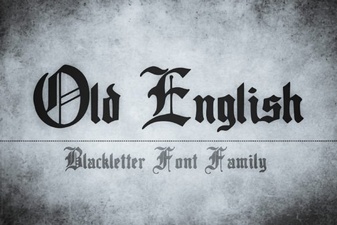 Craft Projects with Classic Old English Fonts
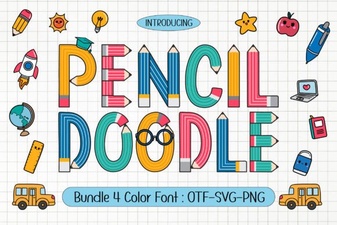 Creative Projects with Pencil Doodle Fonts
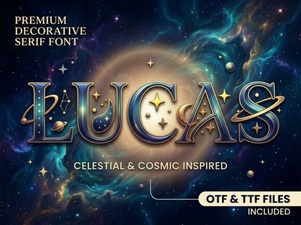 Craft with Lucas Font for Creative Designs
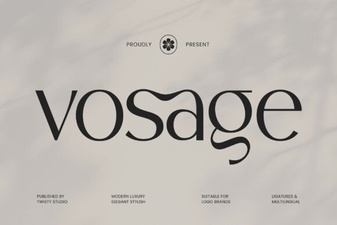 Download the Vosage Font for Creative Web Design Projects
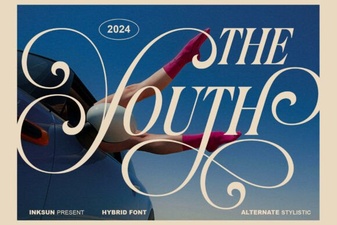 The Youth Font: a Fresh Design Resource for Creative Projects
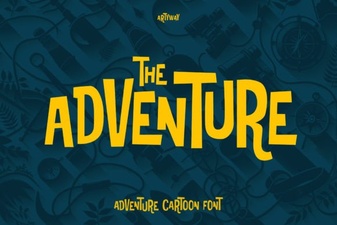 The Creative Power of Adventure Fonts for Design Projects